
- Amara Asavananda (Thai-French)
- Jarunee Suksawat (Thai-French)
- Willy McIntosh (Thai-Scottish)
- Tata Young (Thai-American)
- Ananda Everingham (Lao-Australian)
- Mario Maurer (Thai-German)
- Chrissy Teigen (Thai-American)
- Davika Hoorne (Thai-Belgian)
- Urassaya “Yaya” Sperbund (Thai-Norwegian)
- Jeff Satur (Thai-English)
- Rebecca Patricia “Becky” Armstrong (Thai-British)
- The Architecture of the In-Between
Long before multinational streaming platforms started buying up Bangkok soundstages or European couture houses set up shop along Phloen Chit, Thai showbiz had a very specific, home-brewed obsession: the luk khrueng (ลูกครึ่ง).
For half a century, having mixed heritage in Thailand was treated like an unfair cheat code. If you had the sharp nasal bridge, the high cheekbones, and the bilingual ease, casting agents would practically drag you off the sidewalk in Siam Square and throw you in front of a camera. Yet reducing these performers to genetic lottery winners ignores the real story.
The mixed-race stars who actually reshaped the industry weren’t just pretty faces coasting on an aesthetic pedestal. They were the ones who took the double-edged sword of being “half-and-half” constantly having to prove they were authentically Thai enough for local viewers while navigating foreign sets that viewed them as ambiguous exotics, and turned it into an engine that pulled Thai entertainment into the global slipstream.
From 16mm celluloid daredevils to digital arena-fillers, these are the icons who broke open the mold.
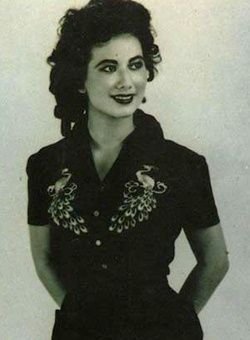
Amara Asavananda (Thai-French)
- The Era: 1950s–1960s Golden Age 16mm
- The Milestone: Miss Universe 1954 delegate, star of Leb Khrut (The Garuda’s Claws)
- The Reality Check: Long before the term luk khrueng was plastered over billboard campaigns, Amara was out in the wild with zero roadmap. In the 1950s, Thai cinema ran on silent 16mm reels, where voice actors stood beside the projector in sticky, crowded standalone theaters and dubbed every line live into a microphone. Amara brought a razor-sharp, French-influenced glamour to that chaotic world. Landing on the Miss Universe stage in Long Beach in 1954, she became Thailand’s first true international screen muse, signing onto joint Asian co-productions and proving that Bangkok could produce leading ladies with the presence to hold down international frames.
Jarunee Suksawat (Thai-French)
- The Era: Late 1970s–1980s Action Boom
- The Milestone: The undisputed “Queen of Thai Action Cinema”
- The Reality Check: Forget the red carpets and the delicate cosmetics contracts; Jarunee’s breakthrough was paved in broken glass, gunpowder burns, and diesel smoke. In an era when Hollywood blockbusters were threatening to wipe homegrown Thai cinema off the map, Jarunee kept ticket booths packed by doing what no studio star would dream of today: performing death-defying vehicle stunts, jumping off speeding freight trains, and engaging in full-contact martial arts brawls without safety rigs or stunt doubles. She didn’t just save independent provincial theaters; she made herself an export sensation on Southeast Asian bootleg VHS circuits, single-handedly carrying the commercial dignity of local filmmaking on her bruised shoulders.
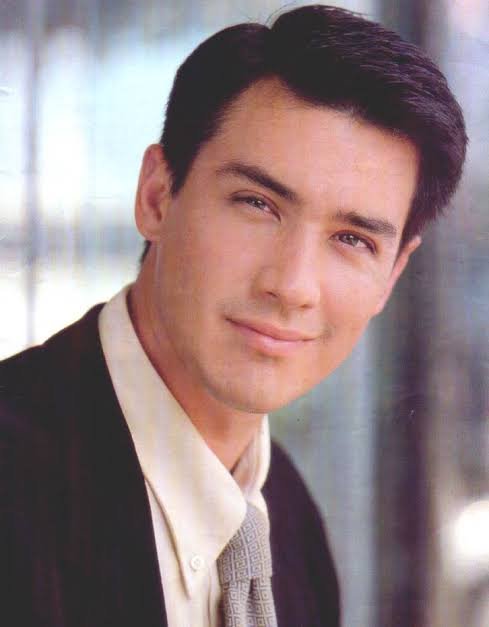
Willy McIntosh (Thai-Scottish)
- The Era: 1990s Primetime Lakorn Dominance
- The Milestone: Channel 3 flagship leading man in Sai Rung and Tam Hua Jai Pai Sood La
- The Reality Check: If you turned on a television set in Bangkok in 1996, you could not escape Willy McIntosh. With his towering 6’2″ frame and easy, self-deprecating humor, he created the archetype for the modern Thai romantic lead: dashing, aristocratic, yet completely game to look foolish for a laugh. But his real masterstroke happened behind the camera. Alongside his sister Kathaleeya and longtime creative partners, Willy didn’t just collect actor paychecks; he built production agencies, brought international television formats into Bangkok, and dragged the production quality of prime-time lakorns into the modern broadcast era.
Tata Young (Thai-American)
- The Era: 1995–2000s Pop Revolution
- The Milestone: Amita Tata Young (million-seller at age 14), I Believe, “Dhoom Dhoom”
- The Reality Check: In 1995, a fourteen-year-old girl in oversized sonic-blue overalls and backwards caps walked into the music industry and blew up the entire pop establishment. Her debut record sold over a million copies at a speed that panicked legacy executives. But Tata’s real legacy was her refusal to stay inside the domestic playpen. In 2004, she dropped I Believe via Columbia Records, unleashed “Sexy, Naughty, Bitchy,” and followed it with the title track for Bollywood’s Dhoom. Conservative domestic critics clutched their pearls over her daring outfits, but Tata didn’t care: she was packing arenas from Tokyo to Mumbai, proving that a Thai-American girl from Bangkok could go toe-to-toe with global pop royalty on their own turf.
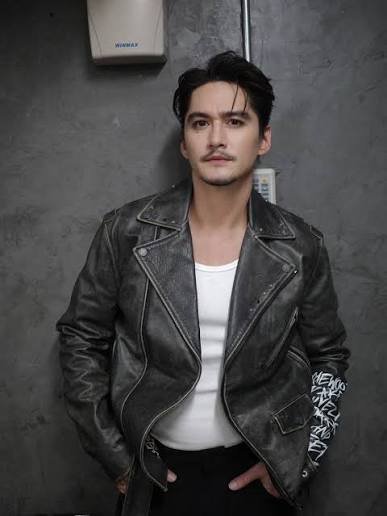
Ananda Everingham (Lao-Australian)
- The Era: 2000s New Wave & Arthouse Resurgence
- The Milestone: Shutter (2004), Ploy, Headshot
- The Reality Check: When Shutter exploded into a worldwide horror phenomenon in 2004, Hollywood came calling with standard horror remakes, and Bangkok studios offered him safe, lucrative soap-opera roles for life. Ananda said no to almost all of it. Instead, he took his brooding, naturalistic intensity into the dark, smoke-filled rooms of Thai auteur cinema. Teaming up with directors like Pen-Ek Ratanaruang, he showed up at Cannes, Berlin, and Toronto looking like an indie rock antihero. He made it cool for a leading man to be flawed, damaged, and uncompromisingly artistic.
Mario Maurer (Thai-German)
- The Era: 2007–2010s T-Wave Explosion
- The Milestone: The Love of Siam, First Love (Crazy Little Thing Called Love), Pee Mak
- The Reality Check: Mario is the human engine that kicked off the modern “Thai Wave” across Greater China and the Philippines. In 2007, his vulnerable performance in the queer indie classic The Love of Siam proved he had real dramatic instincts; by 2010, First Love was an underground regional wildfire. But Pee Mak in 2013 was the nuclear strike: the comedy-horror took in over a billion baht, smashed domestic box-office records, and opened up commercial theater distribution across Asia for Thai cinema. Mario showed studios that local stories, when anchored by unpretentious, accessible charm, could dominate regional multiplexes.
Chrissy Teigen (Thai-American)
- The Era: 2010s–Present Digital & Culinary Culture
- The Milestone: Cravings empire, mainstream Western television anchor
- The Reality Check: In a Western media environment that spent decades sidelining Southeast Asian culture or treating it like budget tourism, Chrissy Teigen did something radical: she made her mother Vilailuck’s Korat roots a central feature of her public identity. Through her runaway bestselling Cravings cookbooks and massive social reach, she bypassed the safe, watered-down American versions of Thai food and introduced millions of Western home cooks to actual home-style staples: morning jok, weeping tiger beef, and fiery dipping sauces loaded with fish sauce and crushed chilies. She gave the Thai diaspora in America an unapologetic seat at the mainstream cultural table.
Davika Hoorne (Thai-Belgian)
- The Era: 2010s–Present Cinema & High Fashion
- The Milestone: Pee Mak, Heart Attack, Global Ambassador for Gucci and Bulgari
- The Reality Check: Mai Davika had every reason to coast as a commercial muse after starring in Pee Mak. Instead, she stripped off the heavy makeup, sat down in front of Nawapol Thamrongrattanarit’s clinical camera for Heart Attack, and swept every acting award in the country playing an exhausted, deadpan hospital doctor. She carries that same fearlessness to the front rows of Milan and Paris. As a global face for houses like Gucci and Bulgari, she helped rewrite European luxury priorities, putting Bangkok at the absolute center of the global fashion week conversation.
Urassaya “Yaya” Sperbund (Thai-Norwegian)
- The Era: 2010s–Present Domestic Reign & Luxury Crossover
- The Milestone: Decade-long Channel 3 anchor, Brother of the Year, Fast & Feel Love, Louis Vuitton muse
- The Reality Check: Yaya is the gold standard of modern Thai stardom. She held down primetime ratings for a decade alongside Nadech Kugimiya, but her real triumph is that she never let the insular network system trap her. Whether playing an obsessive badminton coach’s exhausted girlfriend in Nawapol’s Fast & Feel Love—which earned her top honors at the New York Asian Film Festival—or becoming the first Thai star signed as an official “Friend of Louis Vuitton,” Yaya moves between local temple fairs and European red carpets without losing a drop of her grounded, unforced warmth.
Jeff Satur (Thai-English)
- The Era: 2020s Auteur Pop & Streaming
- The Milestone: KinnPorsche, Space Shuttle No. 8, Call Me by Fire Season 3, Studio On Saturn
- The Reality Check: Thai, English, and Chinese ancestry wrapped in a four-octave operatic falsetto, Jeff Satur looked at the typical boyband idol script and threw it in the trash. After a decade of grinding through indie labels, he took his breakout role in KinnPorsche and used the leverage to build his own creative world: Studio On Saturn. Between composing his own cinematic space-baroque tracks, holding down arena tours across Latin America and Asia, and blowing away mainland audiences on China’s Call Me by Fire, Jeff proved that a Thai artist doesn’t have to choose between luxury fashion gloss and gritty, self-produced independence.
Rebecca Patricia “Becky” Armstrong (Thai-British)
- The Era: 2022–Present Digital-Native GL Vanguard
- The Milestone: GAP: The Series, The Loyal Pin, billions of digital impressions worldwide
- The Reality Check: Becky Armstrong represents the absolute bleeding edge of modern Thai media export. When GAP: The Series dropped in late 2022, she and screen partner Freen Sarocha didn’t just book a hit; they triggered a worldwide Girls’ Love (GL) tidal wave that caught legacy broadcast networks completely flat-footed. Trilingual, sharp-witted, and balancing international law studies while managing arena-sized fan meetings from São Paulo to Manila, Becky proved that the new Thai soft power isn’t dictated by old television executives—it’s built on digital-native communities, boundary-pushing queer romances, and a new generation of talent that operates on a global scale from day one.
The Architecture of the In-Between
What links a 1950s 16mm movie star to a Gen-Z digital GL idol isn’t a simple casting agency checklist.
It is the unique tension of living in the space between cultures. Every single one of these artists had to navigate an industry that loved their look but was always watching to see if they would slip up on their manners, lose their accent, or fail to show proper deference to traditional norms.
They didn’t break through by blending into the background. They broke through by turning that cultural friction into an asset: using their bilingual fluency to negotiate international distribution, bringing global acting and musical techniques into local studios, and showing audiences around the world that modern Thai culture is vibrant, adaptive, and impossible to put into a box.