

- 1. How to Make Millions Before Grandma Dies (Lahn Mah, 2024)
- 2. The Love of Siam (Rak Haeng Siam, 2007)
- 3. The Letter (Jod Mai Rak, 2004)
- 4. Nang Nak (1999)
- 5. Fan Chan (My Girl, 2003)
- 6. Brother of the Year (Nong. Phi. Thirak, 2018)
- 7. The Overture (Homrong, 2004)
- Why Thai Cinema Breaks Your Heart So Gently
If you ask international moviegoers what Thai cinema is famous for, most people will immediately mention bone-crunching Muay Thai action like Ong-Bak or terrifying ghost stories like Shutter. Yet ask anyone inside Thailand what local filmmakers do better than almost anyone else on earth, and you will get a very different answer: Thai filmmakers excel at making an entire theater sob uncontrollably.
Long before GDH 559‘s How to Make Millions Before Grandma Dies became a viral streaming sensation and made the Academy Awards shortlist in 2024, Thai directors spent decades quietly perfecting the art of the international tearjerker. Their movies have been remade in South Korea, China, Vietnam, and Hollywood, turning intensely local stories set in quiet Bangkok alleys and sleepy provincial towns into universal emotional landmarks.
What makes Thai heartbreak hit so hard is that it rarely relies on loud melodrama. Instead, these stories tap straight into the quiet emotional currents of Thai life, family duty (katanyu), unspoken affection (kreng jai), childhood nostalgia, and the Buddhist acceptance that everything we love is temporary. If you want to understand the heart of Thai culture through cinema, keep a box of tissues close and start with these seven unforgettable masterpieces.
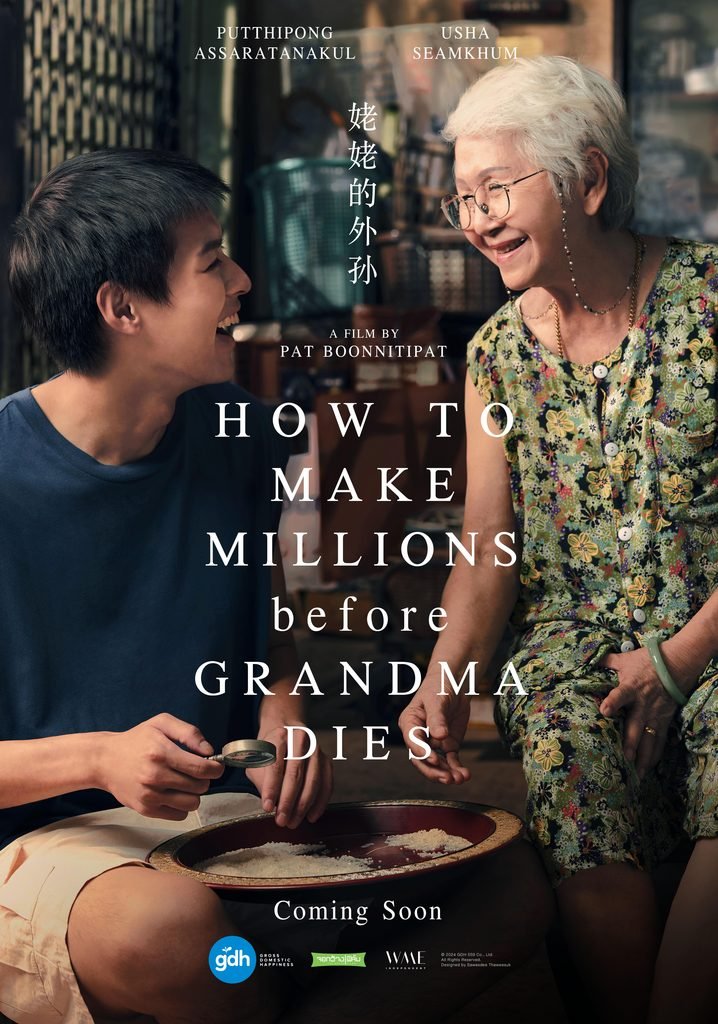
1. How to Make Millions Before Grandma Dies (Lahn Mah, 2024)
Directed by Pat Boonnitipat and starring Thai pop-drama favorite Billkin (Putthipong Assaratanakul) alongside 78-year-old newcomer Usha Seamkhum, this modern classic broke box-office records across Southeast Asia and became the first Thai film ever shortlisted for Best International Feature Film at the Oscars. The setup sounds almost like a dark comedy: M, a broke university dropout and wannabe game streamer, moves in to care for his terminally ill grandmother, Amah, hoping to win her favor and inherit her house before his greedy relatives do. What follows is a masterclass in quiet restraint. Through small, everyday routines, early morning walks, quiet hospital visits, and unspoken regrets, M slowly realizes that his grandmother already knows why he came, and loves him anyway. For foreign viewers, the film offers an extraordinarily honest look at Thai-Chinese family dynamics, aging parents, and the unspoken weight of filial duty.
2. The Love of Siam (Rak Haeng Siam, 2007)
When director Chookiat Sakveerakul released The Love of Siam in 2007, audiences expecting a breezy teen romance walked into one of the most emotionally complex dramas in Asian cinema history. Starring Mario Maurer and Witwisit Hiranyawongkul, the film follows two childhood best friends, Tong and Mew, who reunite as teenagers in Bangkok’s bustling Siam Square while Tong’s family slowly fractures under the weight of grief after his older sister disappears in Chiang Mai. Rather than turning their tender, emerging romance into a loud political statement, the movie treats every character from the confused boys to Tong’s exhausted, fiercely protective mother, played by Sinjai Plengpanich, with deep empathy. Its final scene, anchored by the haunting line “We can’t be together, but that doesn’t mean I don’t love you,” remains one of the most devastating moments in Thai film history.
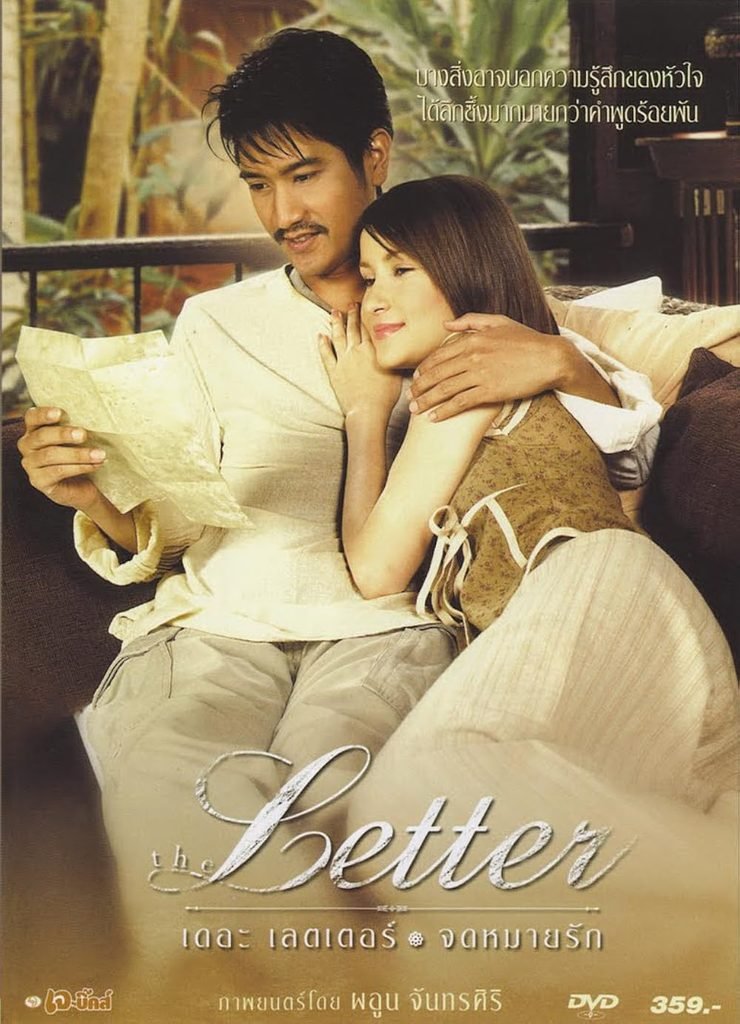
3. The Letter (Jod Mai Rak, 2004)
If you ask Thai movie fans to name the gold-standard romantic tearjerker of the 2000s, The Letter sits at the very top of the list. Starring beloved Thai screen icons Anne Thongprasom and Attaporn Teemakorn, the film follows Dew, a young woman from Bangkok who travels to Chiang Mai after her cousin dies and falls deeply in love with Ton, a gentle agricultural researcher living among the northern hills. Just as they build a quiet, happy life together, tragedy strikes, leaving Dew to discover that Ton quietly arranged for letters to continue arriving after his death to guide her through grief and remind her how to keep living. Directed by Paween Purijitpanya, The Letter became a massive domestic hit and inspired international adaptations, including the 2007 Hollywood film P.S. I Love You, proving how deeply Thai emotional storytelling translates across borders.
4. Nang Nak (1999)
To Western viewers, Nang Nak might sound like a ghost story, yet to Thai audiences, it is the ultimate tragic love story. Directed by Nonzee Nimibutr and starring Intira Jaroenpura and Winai Kraibutr, this lush, historically grounded retelling of Thailand’s most famous folklore revitalized the entire Thai film industry at the turn of the millennium. Set in 19th-century Phra Khanong, it tells the tale of Mak, a young husband sent off to war, who returns home to his devoted wife Nak and their newborn baby, unaware that Nak died in childbirth while he was away and refused to leave the mortal world out of sheer love for him. Rather than playing Nak as a monster, the film portrays her with heartbreaking grace, turning her eventual Buddhist letting-go into a deeply moving meditation on love, attachment, and grief.
5. Fan Chan (My Girl, 2003)
No movie captures the bittersweet ache of growing up in Thailand better than Fan Chan. Directed by a collective of six young filmmakers who went on to shape modern Thai cinema and starring child actors Charlie Trairat and Focus Jeerakul, the film follows Jeab, a twenty-something man driving back to his provincial hometown for the wedding of his childhood best friend, Noi-Na. Across his drive, memories flood back of their 1980s childhood: playing rubber-band jump rope, riding bicycles down quiet streets, and the terrible day Jeab caved in to peer pressure from older boys and betrayed Noi-Na’s friendship just before her family moved away. Fan Chan became a cultural phenomenon in Thailand because it bottled the exact feeling of losing childhood innocence, and realizing too late that you never apologized to the person who mattered most.
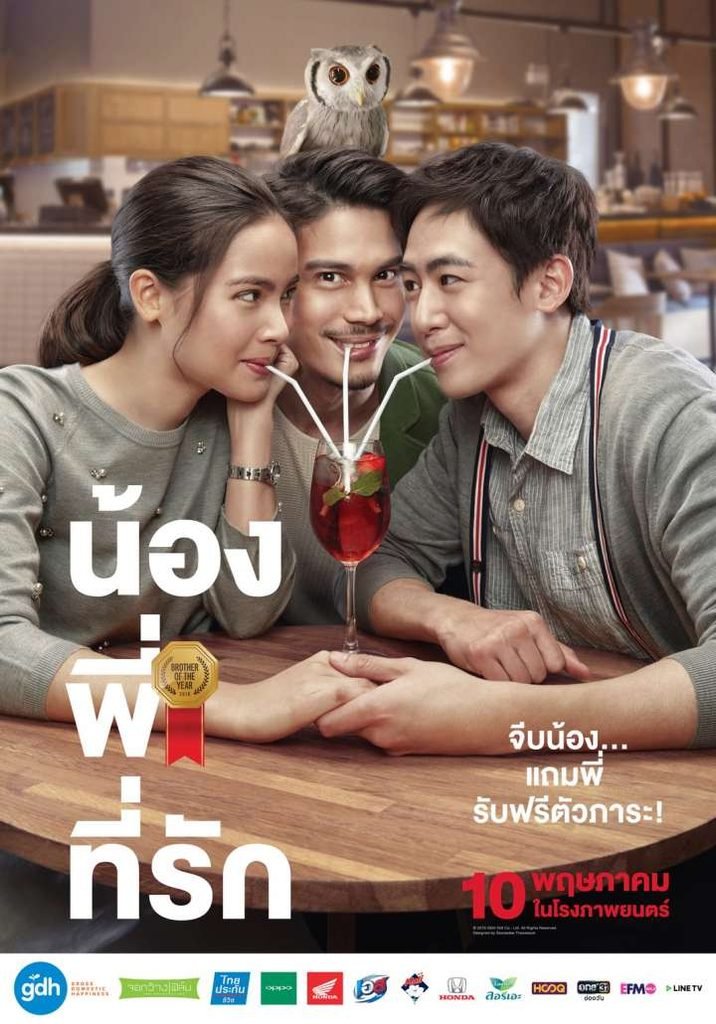
6. Brother of the Year (Nong. Phi. Thirak, 2018)
Produced by Thailand’s hitmaking studio GDH 559 and starring Sunny Suwanmethanont, Urassaya “Yaya” Sperbund, and 2PM’s Nichkhun, Brother of the Year lures you in with sharp slapstick comedy before delivering an emotional punch straight to the ribs. Chut is a messy, lazy older brother who constantly relies on his organized, high-achieving younger sister, Jane, to clean up his life. When Jane falls in love with Moji, a polite Japanese-Thai colleague who plans to marry her and move to Japan, Chut turns into an obstructive nightmare. Yet as the wedding approaches, the film peels back years of childhood misunderstandings to reveal that Chut’s clumsy hostility is actually terror at losing the only person who has ever been his anchor—and quiet pride he never knew how to say out loud.
7. The Overture (Homrong, 2004)
Heartbreak in Thai cinema does not belong solely to romance and family; sometimes it is about watching an entire cultural soul fight to survive. Directed by Ittisoontorn Vichailak, The Overture is loosely inspired by the life of Luang Pradit Phairoh, Thailand’s greatest classical ranat ek (traditional wooden xylophone) master. Following Sorn from a proud, hot-headed prodigy in the late 19th century to an elderly master during the 1940s, when government modernization decrees temporarily banned traditional Thai music in favor of Western styles, the film turns musical duels and quiet perseverance into pure emotional poetry. Watching an aging master risk arrest simply to keep the sound of his ancestors alive leaves audiences breathless, reminding both Thai and foreign viewers why cultural memory is worth every sacrifice.
Why Thai Cinema Breaks Your Heart So Gently
For foreign audiences exploring Thailand beyond its beaches and temples, these seven films offer an intimate passport into how Thai people love, grieve, and care for one another. Thai storytellers rarely rely on grand speeches to tell you what a character feels. Instead, they show a grandmother saving a favorite snack, a brother quietly fixing a broken toy, or a friend waving from the back of a moving pickup truck—trusting that you will feel the whole weight of what goes unsaid.