

- Grabbing a Plastic Stool in the Fandom Food Court
- The Big Agency Stalls and the Set Menus
- What Is on the Menu: The Official Ship Versus the Ghost Ship
- The Fan Clubs: The Aunties Running the Kitchen
- Food Support: Feeding People as the Highest Form of Love
- The Money Garlands and the Forest of Flowers
- How to Tell What Is Authentic and What Is Pure Sugar
- Night Market Etiquette: How to Be a Welcome Guest
- The Sweet Finish
Grabbing a Plastic Stool in the Fandom Food Court
Imagine you have just stepped off a motorcycle taxi into one of Bangkok’s great night markets. The air hits you first: the sweet scent of coconut hotcakes grilling on cast iron, garlic popping in hot oil from a pad kra pao wok, crushed fresh chilies, and exhaust fumes mixed with chilled jasmine flower garlands. Red neon signs buzz overhead. Scooters squeeze between stalls. People are laughing, sharing bowls of boat noodles, and wiping condensation off tall cups of orange-tinted iced tea.
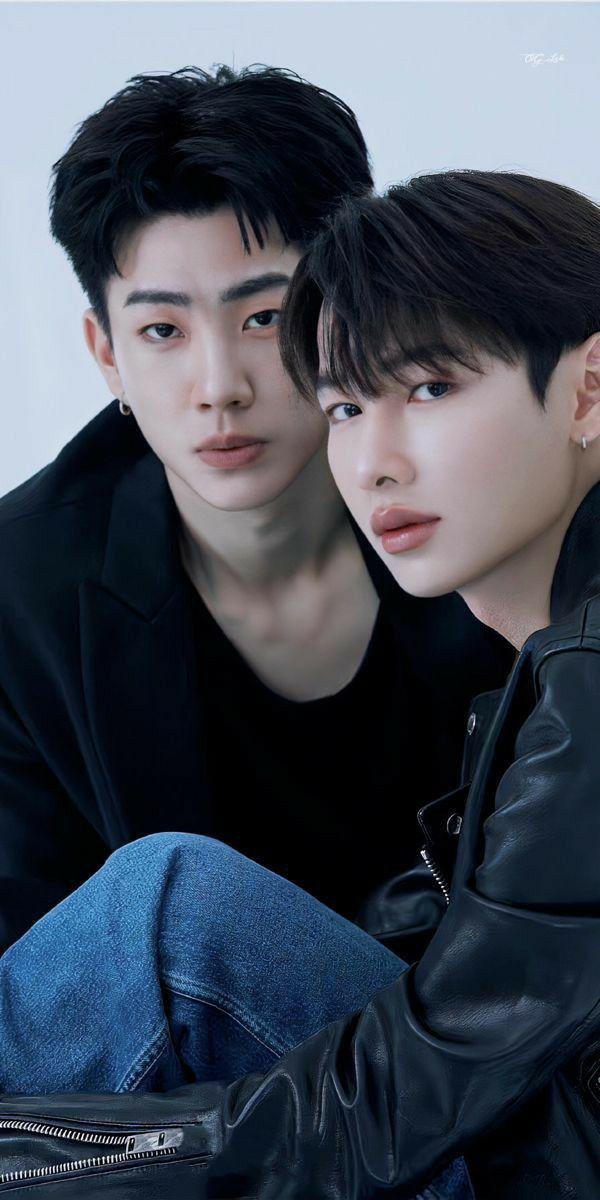





If you look around closely, you will see something else that tells you where Thai modern pop culture is really happening. Tucked next to a mango sticky rice stand, or plastered on the glass window of an air-conditioned drink shop, you will see glossy banners of two handsome young men or two stylish young women leaning their heads together, smiling warmly. A nearby café might have a row of custom drink sleeves printed with couple logos, stacks of hand fans, and a small line of local university students swapping glossy photo cards while eating fried fish cakes from a brown paper bag.
This is the world of Thai Boys’ Love (BL) and Girls’ Love (GL) entertainment. To someone visiting Thailand for the first time, or looking in from an ocean away through streaming screens, it can look totally mysterious. You might see thousands of fans gathering outside a luxury mall atrium at Siam, cheering wildly for two actors who are sharing a bowl of noodles on a tiny stage. You might see social media feeds moving at lightning speed with phrases like “official ship,” “food support,” “ghost ship,” and “imaginary couple.”
To understand how it all works, you do not need an academic media degree. You just need to understand how Thais eat, how people gather around food, and how a night market is run. Once you look at these fan clubs and pairing systems the same way you look at a row of lively street food vendors, everything suddenly falls into place.
The Big Agency Stalls and the Set Menus
When you walk into a market, the first stalls you notice are the big, well-lit corner operations with tall signs and long lines. These are the main food anchors, the places everyone knows, like the famous crispy pork stall or the legendary pad thai station that has been running for decades.
In the Thai entertainment landscape, these anchor stalls are the major talent agencies and production powerhouses. Companies like GMMTV, Domundi, Idol Factory, and Channel 3 act like the master chefs of the entire scene. They do not simply hire actors to film a script and say goodbye when the director yells cut. Instead, they curate complete experiences.
In Western film and television, two actors might play romantic partners on a high-school drama for a few months, attend one red carpet premiere, and then move on to completely different movies where they never speak again. In Thailand, the industry operates on the “CP” or Couple Pairing system. When an agency finds two performers with genuine chemistry, magnetic visual harmony, and natural camaraderie, they assemble them into a dedicated team.
This pairing becomes a recognized brand. They star in a flagship series together, record duets for the soundtrack, appear in joint magazine fashion shoots, launch their own collaborative clothing lines, and headline major arena fan meetings across Asia, Latin America, and Europe. Think of it like a beloved street vendor’s signature set menu. When you sit down at a legendary Hainanese chicken rice stall, you do not order just the sliced chicken; you get the fragrant rice cooked in chicken broth, the bowl of steaming winter melon soup, and the spicy ginger dipping sauce all served on one tray. They belong together.
For newcomers, this can feel confusing. You might wonder: “Are they actually dating in real life, or is this just their job?”
The clearest way to look at this is through the Thai cultural concept of jin, which comes from the English word “imagine.” When Thai viewers say they fin (feel euphoric happiness) or jin (imagine a romantic connection), they are participating in a shared game of imagination. Everyone at the table from the agency, the actors, and all the way to global audiences, everyone knows that these performers are working professionals who share a deep, collaborative friendship. The fun comes from appreciating their natural warmth and emotional connection without needing to force it into a rigid private box. It is like enjoying a sweet, icy dessert on a sweltering Bangkok afternoon: you do not need to overanalyze the sugar cane syrup to enjoy the cold comfort it brings you.
What Is on the Menu: The Official Ship Versus the Ghost Ship
Walk a little deeper down the market alley, past the bright noodle carts, and you will find smaller, tucked-away stalls where people gather around portable gas burners. Some vendors serve off-menu specials that only regular customers know to ask for.
This brings us to the difference between an “Official Ship” and a “Ghost Ship.” In Thai, the word for shipping a couple is phai ruea, which literally translates to “rowing a boat.” The fandom sees itself as a crew with wooden oars, working together to keep their favorite couple’s boat gliding smoothly across the water.
An Official Ship is like a state-licensed ferry. The company has officially announced the pairing, assigned them a joint fandom name, designed an official logo, produced lightsticks for concerts, and scheduled them for back-to-back projects. When you support an official pair, such as long-standing duos who have worked together across multiple series—you are boarding a sturdy boat with an outboard motor, safety jackets, and an agency captain steering the wheel.
A Ghost Ship (ruea phii), on the other hand, is pure rogue street cooking. A ghost ship happens when two actors who are not officially paired together share a single spontaneous interaction. Maybe they pass each other at an award show and share a quick laugh. Maybe Actor A from one agency helps Actor B from a rival studio carry a heavy drink tray during a charity football match. Within minutes, sharp-eyed fans notice the glance, clip the video, set it to a gentle indie acoustic track, and post it online.
A ghost ship has no official agency support, no sponsored merchandise, and very little chance of ever starring in a romance series together. Yet Thai fans love ghost shipping because it is playful and lighthearted. Nobody expects the ghost boat to reach an official harbor. It is like ordering a wild street food fusion that no proper restaurant would put on its laminated menu, like asking the roti vendor to wrap savory spicy sausage instead of sweet bananas and condensed milk. It might sound unusual to an outsider, but the people eating it are having the time of their lives.
The Fan Clubs: The Aunties Running the Kitchen
If you spend time at any street food stall in Bangkok, you quickly realize that the person cooking the soup is only half the story. The stall survives because of the paa (the auntie) sitting at the metal prep table who knows every regular customer by name, remembers who hates cilantro, balances the daily cash drawer, and makes sure the fresh herbs arrive on time every morning.
In the BL and GL world, Official Fan Clubs (often called OFCs) and major fan branches run with the exact same level of devotion, organization, and domestic efficiency.
Foreigners often assume that celebrity fan clubs are just unorganized clusters of teenagers clicking “like” on social media. In Thailand, a major fan club operates more like a well-structured community council or a neighborhood cooperative. The leadership team often includes university graduates, accountants, graphic designers, marketing professionals, and small business owners who volunteer their personal time after their regular nine-to-five jobs.
An Official Fan Club handles serious responsibilities: They coordinate directly with the actors’ talent managers to verify official event schedules. If an actor is appearing at a department store opening in Lat Phrao at two in the afternoon, the OFC receives the approved arrival times, parking gate locations, and security protocols. They publish clean, bilingual schedules online so foreign fans know where to stand without blocking public walkways or causing safety hazards.
They manage event ticket registrations, translate studio press releases into English, Mandarin, Spanish, and Vietnamese, and run information booths at fan meetings. When an overseas visitor arrives in Bangkok for their very first arena concert, nervous and unable to speak Thai, the local fan club members are usually the ones greeting them outside the hall, handing them free bottled water, guiding them to the bag-check line, and gifting them custom photo cards as a gesture of welcome.
This hospitality reflects the core Thai cultural value of nam jai, which translates poetically to “water from the heart.” It is the spirit of effortless generosity that makes a Thai street food vendor slide an extra skewer of grilled chicken onto your plate simply because you looked hungry or smiled warmly as you waited.
Food Support: Feeding People as the Highest Form of Love
In many Western celebrity environments, showing love for an artist involves buying their record, wearing a tour t-shirt, or tagging them in a photo. In Thailand, love is expressed through the stomach.
If you ask any Thai person how they are doing, the traditional greeting is rarely “How are you feeling today?” Instead, it is almost always: “Gin khao reu yang?” or “Have you eaten rice yet?” Food is not just fuel in Thailand, it is emotional care, social respect, and familial warmth all wrapped onto one steaming plate.
This cultural truth created one of the most unique elements of the BL and GL world: Food Support.
When a production crew goes into the field to shoot a twelve-hour television drama day in thirty-five-degree heat, fan clubs step in to take care of them. Through organized fundraising, the fan club hires professional food catering trucks, mobile espresso bars, or local street food vendors to park on location.
These are not cheap snacks. A full food support setup can feature custom-wrapped trucks decorated with high-resolution portraits of the actors. The menu might include fresh pad thai cooked to order, bowls of boat noodles with tender braised pork, iced matcha lattes, freshly cut sweet mangoes, and traditional coconut puddings. Every lunch box, coffee cup, and dessert cup is sealed with a custom sticker designed by fan artists, bearing messages of encouragement like: “Please eat well and stay healthy today, team!”
Crucially, this food is not just for the two lead stars. Thai fan clubs make sure the camera assistants, the lighting technicians, the sound crew, the makeup artists, and the van drivers all eat until they are completely full. It is an act of deep community respect. In Thai society, taking care of the people working behind the scenes shows good upbringing, humility, and genuine kindness (barami). The actors will regularly step outside in their wardrobe between filming takes, bow with a polite wai to the catering team, take photos in front of the food truck banners, and post heartfelt thank-you videos on social media to show their appreciation to the fans who funded the feast.
The Money Garlands and the Forest of Flowers
If food support is the everyday comfort meal of the fandom world, then the gift ceremonies at milestone events are the grand holiday banquets.
Newcomers browsing photos of Thai graduation ceremonies, birthday concerts, or series wrap parties often stop in disbelief at what they are seeing. Standing on stage, a young actor might be wearing what looks like a royal cape or an enormous floral necklace made entirely of folded thousand-baht banknotes. Surrounding the stage are elaborate arches, towering wings, and sculpted cartoon figures crafted completely out of clean, crisp currency.
To a foreigner from Europe or North America, showering an entertainer with literal cash can look jarring or overly commercial at first glance. But when you look through the lens of traditional Thai celebrations, the practice makes complete cultural sense.
For generations, Thais have celebrated major life transitions, such as university graduations, ordinations into the monkhood, and traditional weddings, by gifting cash garlands. Folk musicians, traditional theater performers (likay), and countryside singers have long been supported by audience members stepping up to the stage apron to drape garlands of cash around their necks as a direct, honest tip for an evening of hard work.
In the modern pop scene, these money bouquets (chaw ngoen) are an evolution of that exact folk tradition. Fans know that production budgets for niche television can be tight and that early-career acting contracts do not always pay astronomical salaries. Instead of spending thousands of dollars buying luxury designer clothes or expensive watches that an actor might never wear, fan clubs pool their resources to build decorative cash displays. It is a practical, direct gift. The performer can use the money to pay university tuition, support their parents, invest in their personal savings, or quietly donate a portion to rural animal shelters and children’s hospitals in their home province.
It is public, it is celebratory, and it is given with joyful pride. Just as a Thai family gathers around an open-air seafood grill to celebrate a relative’s new promotion with abundance and noise, the fandom builds these cash displays to say: “We see your hard work, and we want your future to be comfortable and bright.”
How to Tell What Is Authentic and What Is Pure Sugar
One of the hardest things for international fans to navigate is figuring out what is real. When two co-stars hold hands during a live-streamed interview, share a bite of grilled pork satay on camera, or whisper inside each other’s ears during a commercial press conference, foreign social media often explodes with debates about whether they are secretly planning a private wedding or completely faking their friendship for brand money.
To keep your bearings, think about how you evaluate a bowl of street soup.
A truly delicious bowl of Thai soup does not rely on artificial flavor packets alone. It starts with real bones simmered for eight hours with coriander roots, white peppercorns, and roasted garlic. You can taste the depth in your chest. However, a good street cook also knows when to add a spoon of palm sugar, a splash of lime juice, and a sprinkle of roasted chili flakes on top to make the flavors pop for the customer.
In Thai entertainment, the relationship between long-term screen partners works the same way:
- The Bone Broth (The Real Foundation): Thai actors spend an unbelievable amount of time together. Before a series even starts filming, they spend months together in intense acting workshops, dialect training, dance rehearsals, and chemistry coaching. During production, they share twelve-hour filming days in hot warehouses, travel together on long road trips across rural provinces, and comfort each other through physical exhaustion and performance stress. Underneath the commercial spotlights, the vast majority of these performers develop genuine, protective bonds of brotherhood or sisterhood. They know each other’s families, they share meals after rehearsals, and they protect one another from industry pressures. That human loyalty is real.
- The Sweet Sugar Dressing (The Fan Service): When the cameras turn on at a sponsor event for a skincare brand or an iced tea company, the actors turn up the charm. They know why the brand paid for the stage, and they know what makes the crowd scream with delight. If they playfully feed each other a spoonful of dessert or tease each other about being cute, they are performing their roles with professional flair.
Healthy fandom literacy means learning to appreciate both layers without confusing them. You can enjoy the sweet performance on stage just like you enjoy the sweet glaze on a skewer of grilled pork (moo ping), while still respecting that the actors are autonomous human beings who go home to their own private lives, personal choices, and independent boundaries when the workday is over.
When you see a pairing that has stayed close for five, six, or seven years through multiple career changes, you are not watching a five-year marketing lie; you are watching two trusted work partners who have navigated the fierce waters of young fame together and decided to remain each other’s safe haven.
Night Market Etiquette: How to Be a Welcome Guest
Visiting a foreign market requires good manners. You do not knock over someone’s spice tray to get a better photo of the soup pot, you do not shove local patrons out of the way to grab a table, and you smile politely when someone hands you your food.
The same golden rules apply when entering the Thai BL and GL community as a foreign observer or participant. Thai fan spaces have unwritten community standards built on Buddhist cultural values of peace, mutual consideration (kreng jai), and emotional balance (jai yen, or keeping a cool heart).
- Practice Kreng Jai at Public Events: If an actor has an open public appearance at a Bangkok shopping mall, hundreds of local fans will arrive hours early. They sit quietly on the floor in orderly rows, keeping pathways clear for shoppers, mall staff, and security guards. When the artists arrive, people hold their phones at chest height so the fans sitting behind them can still see. Rushing the stage, screaming during quiet moments, or blocking pedestrian traffic is deeply frowned upon because it disturbs public harmony and reflects poorly on the artists they love.
- Respect Airport and Personal Boundaries: In Thai fan culture, there is a clear line between official public schedules and private life. Official schedules posted by agencies are invitations to gather. But following actors on their private days off, showing up at their universities, lingering near their private condos, or crowding them at airport departure gates when they are traveling for personal vacations is considered unacceptable behavior. True support means giving the artists room to rest, eat with their families, and breathe.
- Keep Social Media Banter Sweet and Cool: Online fandoms can occasionally get heated, especially during award voting seasons or trending hashtag competitions. The healthiest international fans follow the Thai practice of jai yen. Instead of engaging in negative quote-tweets, fighting with rival fanbases, or demanding explanations about an actor’s private dating life, focus on amplifying positive projects, creative fan art, translations, and charitable campaigns.
The Sweet Finish
When the night market begins to wind down around midnight, the food stalls pack away their metal pots, the last skewers of grilled meats are sold, and the neon lights turn off one by one. Friends linger on the curb for a few final minutes, finishing their cold drinks, chatting about their favorite moments of the evening, and laughing before catching their rides home.
That lingering sense of shared comfort is what makes the Thai BL and GL world so captivating to millions of people across the globe. Beyond the glamorous television series, the glossy magazine covers, and the high-energy arena concerts, the heart of the community is surprisingly simple: it is about gathering with people you care about, sharing good things to eat, celebrating genuine human connection, and making sure everyone at the table walks away happy and full.
Whether you are watching your very first series from your living room sofa or planning your first trip to stroll through the fragrant night markets of Bangkok in person, you do not need to feel overwhelmed. Pull up a plastic stool, order a refreshing iced tea, watch the boats glide along the river, and enjoy the feast.