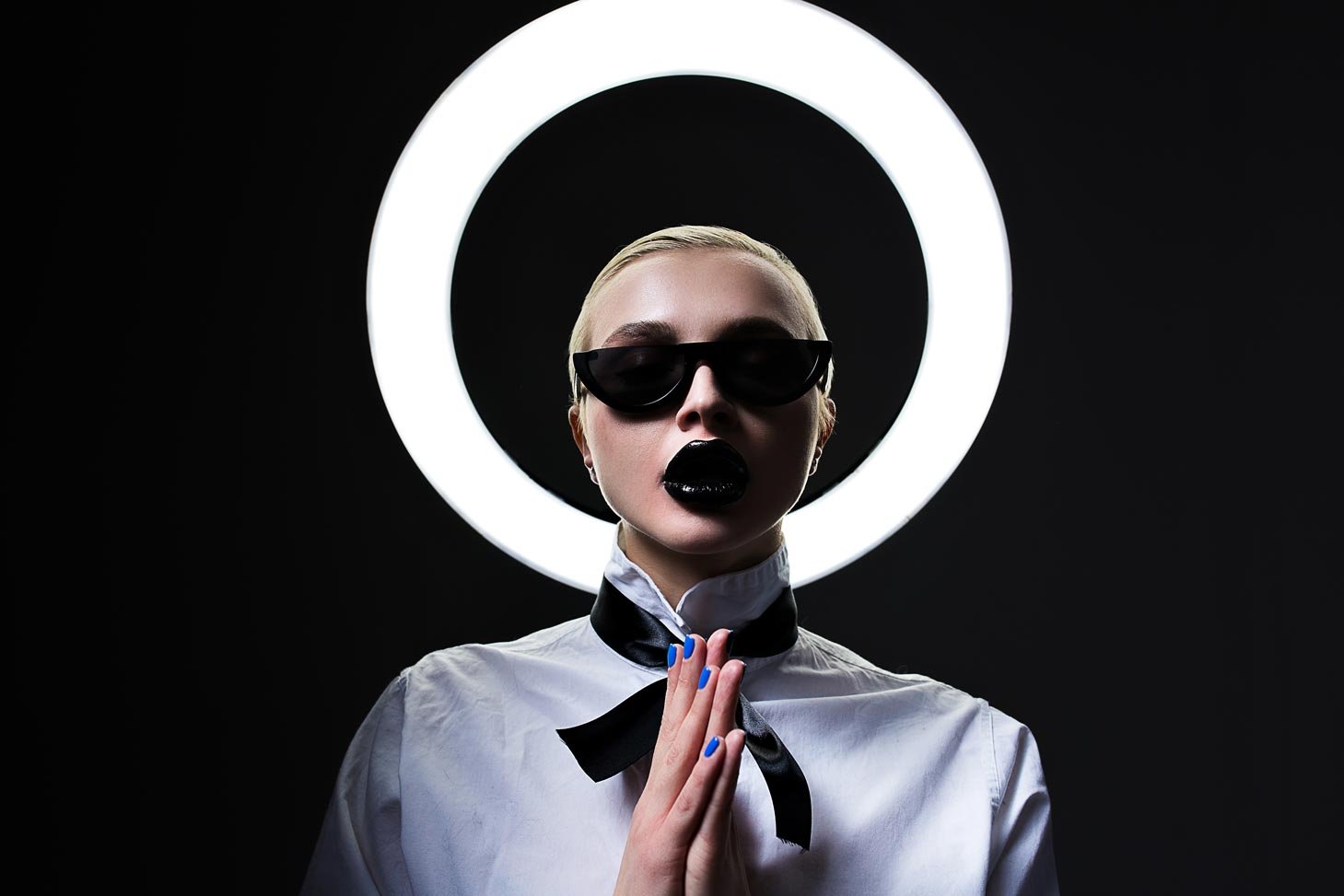

Walk through the Siam interchange during evening rush hour and the towering digital light boxes make one thing glaringly obvious: the faces selling luxury timepieces, bird’s nest drinks, and high-fashion perfumes in Bangkok rarely reflect the monocultural domestic baseline of the provinces. For over three decades, the phenomenon of the luk khrueng, traditionally denoting mixed Thai-Western parentage, though increasingly stretched to cover a broader Pan-Asian and global diaspora, has served as the undisputed commercial backbone of the kingdom’s celebrity economy.
What began in the 1990s as a television-casting shortcut for Eurocentric height and sharp facial structures has evolved into a multi-billion-baht soft-power export engine. Today, mixed-heritage performers don’t simply rule prime-time dramas on Channel 3 and Channel 7; they function as global emissaries for Paris fashion houses and front the streaming properties carrying Thai entertainment across Latin America, China, and the West.
At the tip-top of this commercial universe sits Yaya Urassaya Sperbund. The Norwegian-Thai actress has achieved the kind of bulletproof, institutional longevity that defies typical media turnover cycles. Whether anchoring high-concept rom-coms like Brother of the Year or gracing front-row presentations as a house ambassador for Louis Vuitton, her breezy, multilingual charm manages to bridge cosmopolitan high fashion with mass-market domestic trust.
Running parallel to her on the male side is Nadech Kugimiya. Austrian-Thai by birth, Nadech has practically leased the country’s billboards for over a decade. He commands equal authority whether playing an unhinged, shotgun-wielding rural protector in the box-office juggernaut Tee Yod or fronting nationwide commercial campaigns that depend on his squeaky-clean, scandal-free reputation.
Yet the mechanisms of fame in Bangkok have ruptured far beyond the traditional network-contract model. Bright Vachirawit parlayed the pandemic-era explosion of 2gether: The Series into an international footprint rarely matched by Thai male actors. As a global face for Burberry and Calvin Klein, Bright turned an American-Thai lineage and sharp, brooding gaze into tens of millions of international followers, proving modern fame no longer requires thirty years of prime-time television seasoning to cross oceans.
A similar seismic shift propelled Rebecca Patricia “Becky” Armstrong into the stratosphere. British-Thai and bilingual, Becky spearheaded the explosive rise of the Girls’ Love (GL) movement through GAP: The Series. Instead of clawing through domestic soap-opera bit parts, she unlocked an obsessive, direct-to-consumer digital fandom across Latin America and East Asia, leveraging astronomical social engagement into historic luxury deals with houses like Chanel.
The veterans of this movement, meanwhile, have transitioned into cultural elder statesmen. Mario Maurer, of German-Thai descent, remains the original blueprint for Pan-Asian crossover success. Long before streaming platforms eliminated distribution borders, his boyish presence in The Love of Siam and A Little Thing Called Love created fan frenzies across the Philippines and China, culminating in the historic, billion-baht domestic run of Pee Mak.
Beside him, Mai Davika Hoorne, Belgian-Thai and possessing high-drama editorial features, parlayed her turn as the spectral lead in Pee Mak into an undeniable perch at European fashion weeks as an ambassador for Gucci, mastering the intersection of cinema prestige and runway clout.
The domestic market, however, maintains its own complex, regional hierarchy. While Bangkok’s luxury retail centers gravitate toward the editorial edge of figures like Ananda Everingham—whose Lao-Australian heritage helped define moody cinema classics from Shutter onward—the provinces run on entirely different rhythms.
Mik Thongraya, of Danish-Thai parentage, dominates the heartland as Channel 7’s prized leading man, moving massive consumer volume across provincial households that care little for Paris Fashion Week.
Similarly, Bella Ranee Campen, who is British-Thai, captured the collective imagination by embodying traditional Ayutthaya grace in the mega-hit Love Destiny (Buppesannivas), proving that mixed-heritage stars can anchor the most traditional cultural narratives without losing their domestic authenticity.
From Chompoo Araya Hargate’s foundational high-fashion reign at Cannes to Kimberley Anne Woltemas’s elegant longevity with Dior alongside husband Mark Prin, the luk khrueng current remains Thailand’s most potent media engine.
Whether incorporating the regional K-pop bridge of pioneers like 2PM’s Nichkhun, the street-level cool of BamBam, the elite polish of James Ma, or the versatile chameleon turns of Baifern Pimchanok, these performers do more than wear foreign ancestry on screen. They have systematically built the modern machinery of Thai pop culture, ensuring that when the world looks at Bangkok, it sees an ambitious, cosmopolitan hub that turns blended heritage into undisputed cultural dominance.