

- 1. Indonesia: Impetigore (Perempuan Tanah Jahanam, Directed by Joko Anwar)
- 2. Thailand: The Medium (Rang Zong, Directed by Banjong Pisanthanakun)
- 3. The Philippines: Sunod (Directed by Carlo Ledesma)
- 4. Indonesia: Satan’s Slaves (Pengabdi Setan, Directed by Joko Anwar)
- 5. Thailand: Tee Yod (Death Whisperer, Directed by Taweewat Wantha)
- 6. The Philippines: In My Mother’s Skin (Directed by Kenneth Dagatan)
Western cinema often frames supernatural dread around an external intruder: an uninvited demon in an attic or a killer lurking outside the window. Southeast Asian folk horror strikes a far more unsettling chord because the terror lives inside the community. It hides within respected elders, inherited debts, traditional songs, and the sacred soil beneath our feet.
In Southeast Asia, folklore is not a dusty chapter in a library book. It remains a living, breathing part of daily existence, intertwined with animism, syncretic faiths, local taboos, and ancestral reverence. When filmmakers from Indonesia, Thailand, and the Philippines bring these belief systems to the screen, they do not need to invent digital monsters. They simply point their cameras at the rituals people whisper about after dark. These six celebrated films showcase how regional folklore has reshaped international cinema with raw cultural dread and technical mastery.
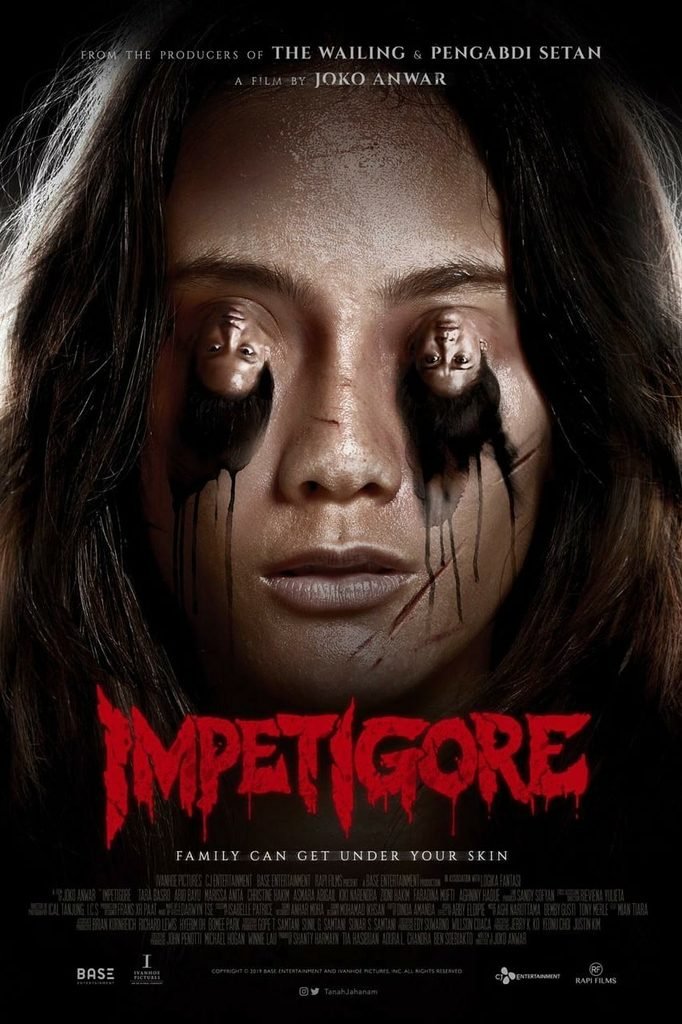
1. Indonesia: Impetigore (Perempuan Tanah Jahanam, Directed by Joko Anwar)
Indonesian director Joko Anwar holds a prominent seat at the head of modern genre cinema, and Impetigore stands as his defining folk horror achievement. The story follows Maya, an impoverished young woman working as a tollbooth attendant in Jakarta, who discovers she may have inherited a substantial family estate in a secluded Javanese village. Desperate for financial relief, she travels into the interior with her best friend Dini, only to step directly into a living nightmare.
Anwar crafts an overwhelming sense of isolation. The village of Harjosari does not welcome outsiders, but what Maya slowly uncovers is far more terrifying than simple suspicion. Decades earlier, a puppet master entered into an unholy spiritual pact that left the village cursed: every child born in the valley arrives without skin. The villagers believe that sacrificing the blood descendant of the cursed bloodline is their only salvation.
What makes Impetigore exceptional is its grounded connection to Javanese cultural heritage. The shadow puppet traditions of wayang kulit, delicate gamelan arrangements, and traditional batik textiles are woven into every frame. Anwar presents the ritual sacrifices not as random cruelty, but as desperate acts committed by people trapped in spiritual ruin. The cinematography uses humid village greens and torchlit night exteriors to generate suffocating tension, earning the film multiple Citra Awards and a celebrated international release via the horror platform Shudder.
2. Thailand: The Medium (Rang Zong, Directed by Banjong Pisanthanakun)
When the director of Shutter joined forces with South Korean horror maestro Na Hong-jin, the result was an unfiltered exploration of Isan shamanism that sent shockwaves through international theaters. Shot as a mockumentary, The Medium follows a documentary film crew recording Nim, a hereditary shaman in northeast Thailand who channels the benevolent goddess Ba Yan.
The narrative darkens when Nim’s niece, Mink, begins displaying bizarre physical and emotional behavior. What begins as suspected shamanic illness slowly uncoils into an overwhelming multi-entity demonic possession rooted in past ancestral atrocities, including slaughter, factory deaths, and generational betrayal.
Director Banjong Pisanthanakun treats local animist traditions with meticulous ethnographic care. Rather than treating rural beliefs as superstitions, the film documents rituals of spirit worship, animal sacrifice, and mediumship as absolute realities. Actress Narilya Gulmongkolpech delivers an astonishing, physically punishing performance as Mink, capturing the terrifying degradation of someone whose body and soul have been entirely hijacked. The climactic night-vision sequence inside an abandoned textile factory remains one of the most chaotic and visceral set pieces in contemporary Asian cinema.
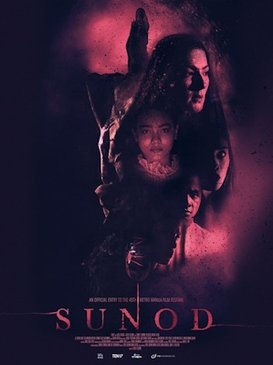
3. The Philippines: Sunod (Directed by Carlo Ledesma)
The Philippines possesses an exceptionally rich mythic landscape, where Spanish Catholicism and pre-colonial animism exist side by side. In Sunod, director Carlo Ledesma translates that cultural duality into an atmospheric supernatural thriller that bridges rural folk dread with modern economic survival.
The film stars Carmina Villarroel as Annelle, a single mother driven to take a demanding night-shift job at an upscale call center in Manila to afford hospital care for her severely ill daughter. The corporate office is housed within an old hospital building that carries a terrible history. As Annelle works late into the night, she begins encountering the restless spirit of a young girl connected to ancient healing rituals, child exploitation, and buried human sacrifices.
Ledesma succeeds by contrasting the sterile, brightly lit glass cubicles of the business process outsourcing industry with the damp, subterranean stone chambers hidden below. The film uses urban isolation to comment on labor exploitation while remaining firmly rooted in traditional Filipino concepts of kulam (witchcraft) and inherited spiritual suffering. It stands alongside classic Filipino folk stories by showing that corporate modernism cannot easily erase ancestral debt.
4. Indonesia: Satan’s Slaves (Pengabdi Setan, Directed by Joko Anwar)
Joko Anwar’s 2017 reimagining of Sisworo Gautama Putra’s 1980 classic is widely credited with igniting the contemporary Indonesian horror boom. Set in 1981 on the outskirts of Jakarta, the story follows a struggling family whose matriarch dies after suffering through a mysterious, debilitating illness that left her bedridden and ringing a brass bell for assistance.
Following her burial, the family discovers that their mother gained her fame and fortune by joining an occult fertility sect known for bartering with demonic entities. The price of that transaction is her final child, whom the cult plans to claim on his seventh birthday.
The brilliance of Satan’s Slaves lies in its audio design and emotional weight. Anwar understands that horror lands harder when viewers care about the family at its center. The rhythmic ringing of the brass bell and the eerie sight of the shrouded pocong standing among rain-soaked cornfields deliver relentless visual dread. By rooting the demonic pact within domestic sacrifice and local Indonesian funerary customs, the film broke box office records across Southeast Asia and proved that regional folklore could command worldwide streaming attention.
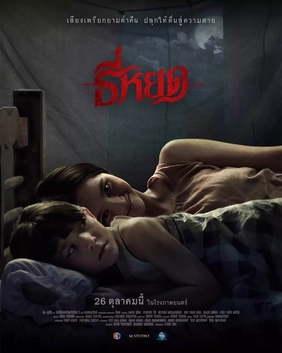
5. Thailand: Tee Yod (Death Whisperer, Directed by Taweewat Wantha)
Adapted from a viral web story on the Pantip forums that originated as real-world rural folklore, Death Whisperer took the Thai domestic box office by storm in 2023, spawning a record-breaking franchise across the region. Set in 1972 Kanchanaburi, the film tracks a close-knit farm family that falls prey to a malevolent black-magic spirit that preys on vulnerable young women.
The terror announces itself through a haunting, rhythmic vocal tick: a phantom voice repeating the guttural whisper “Tee Yod” in the dead of night. When a young sister named Yam falls ill with an unexplainable fever and erratic violent outbursts, her older brother Yak, a hardened ex-soldier played with fierce charisma by Nadech Kugimiya, returns home to defend his siblings with firearms, traditional incantations, and sheer willpower.
Unlike contemplative, slow-burn arthouse entries, Death Whisperer approaches folk horror with the propulsive velocity of an action thriller. It captures the terrifying vulnerability of living on an isolated rural plantation surrounded by whispering sugarcane fields. The film honors ancient Thai spiritual concepts regarding wandering forest ghouls (phi pop) and the dangerous vulnerabilities of human flesh when faced with ancient sorcery.
6. The Philippines: In My Mother’s Skin (Directed by Kenneth Dagatan)
Premiering at the Sundance Film Festival before securing global distribution on Prime Video, Kenneth Dagatan’s In My Mother’s Skin is an unapologetic, gothic fairy tale set during the dying days of World War II in the rural Philippines.
The story centers on Tala, a young girl stranded in a crumbling provincial mansion with her sick mother and younger brother as the Japanese occupation collapses around them. Desperate to save her dying mother, Tala flees into the surrounding jungle and encounters an enchanting, insect-winged fairy wearing opulent gowns and a golden halo. The creature offers a magical cicada that will cure her mother’s illness. Tala accepts the gift, unaware that this mythical creature is a predatory monster that consumes human souls.
Dagatan merges wartime trauma with pre-colonial Philippine folklore, creating a nightmarish subversion of classic folk mythology. The creature is not a benevolent guardian of the wilderness, but an ancient carnivore that exploits Christian prayers and desperate human faith. Featuring extraordinary practical makeup, insect body horror, and grim atmosphere, the film established a bold new benchmark for modern Filipino genre storytelling.