

Sindi, Estonia is a quiet river town of four thousand people where winters are long, dark, and frozen. Most kids there finish secondary school, figure out a university track, and head toward predictable European careers. Marie Ruumet looked around at age fifteen and decided she wanted to kick people in the ribs for a living.
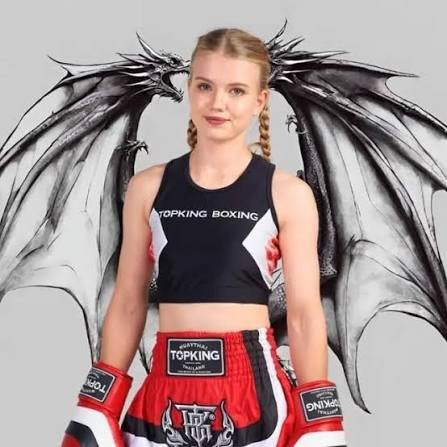
She had already sampled the usual teenage hobbies—competitive swimming, equestrian riding, table tennis, and hip-hop dance classes. None of it stuck. The second she put on boxing gloves and learned how to whip a shin into a heavy bag, standard Baltic life lost its appeal. Muay Thai hooked her immediately.
Weeks before turning seventeen, Marie bought a one-way ticket to Bangkok, lugging two duffel bags and zero safety nets. She had spent months cold-emailing traditional fight camps across Thailand, eventually landing a response from a no-nonsense gym in the mountain foothills of Chiang Mai. Surviving a traditional Thai fight camp as a foreign teenager requires a level of stubborn grit that most people never tap into: dawn road work in humid air, endless pad rounds, and sparring veteran stadium fighters who don’t pull punches to protect a newcomer’s feelings.
Most Western fighters who land in Thailand get trapped in the comfortable expat circuit. They drift through beach towns, stick to English-speaking crews, eat chicken and broccoli, and communicate with corner men through frantic hand signals.
Ruumet went in the complete opposite direction. She lived in camp dorms, ate family-style meals over plastic tables, and treated the Thai language with serious discipline. Today, her spoken Thai is clean, fluid, and natural. Native speakers on the other end of a phone line frequently assume they’re speaking with someone born and raised in Bangkok. Whether negotiating purse details with stadium matchmakers or cracking dry jokes with market vendors, her fluency earned her deep, lasting respect across the local fight community long before she picked up her first major belt.
That cultural respect is matched by technical savagery inside the ropes. Fighting under the moniker “Snow Leopard,” Ruumet operates with an icy, clinical detachment. While opponents rush forward looking for wild brawls, she works off a foundation of surgical teeps, crushing knee strikes in the clinch, and lightning-quick counter rights. She famously calls the ring her comfort zone, maintaining an eerily calm poker face while trading heavy leather in pocket exchanges.
That composure was built through hundreds of grueling training sessions: 10-kilometer morning runs before sunrise, endless sparring sessions against larger male stablemates, and shins conditioned until they could check kicks all night without flinching.
That dedication reached its peak when Ruumet captured the inaugural Rajadamnern Stadium Female Flyweight World Championship belt. Established in 1945, Rajadamnern stands as the sacred cathedral of Muay Thai. For decades, traditional rules prohibited female fighters from even touching the canvas ropes, let alone headlining cards. Watching an Estonian fighter step into that hallowed ring, outwork elite international contenders, and strap on an official stadium world title belt marked a massive milestone for modern combat sports.
Marie Ruumet didn’t treat Muay Thai as a gap-year aesthetic or a social media backdrop. She threw herself into the culture, paid her dues in the toughest gyms in the country, and earned her place at the head of the table. In Bangkok’s stadium circuit, she isn’t just an elite foreign fighter; she’s family.
